
Things to do · Gran Canaria
The most charming villages in Gran Canaria
Ten charming villages in Gran Canaria — Teror, Tejeda, Artenara, Agaete, Firgas, Fataga, Agüimes and more — with what to see in each and how to plan your route.
Published
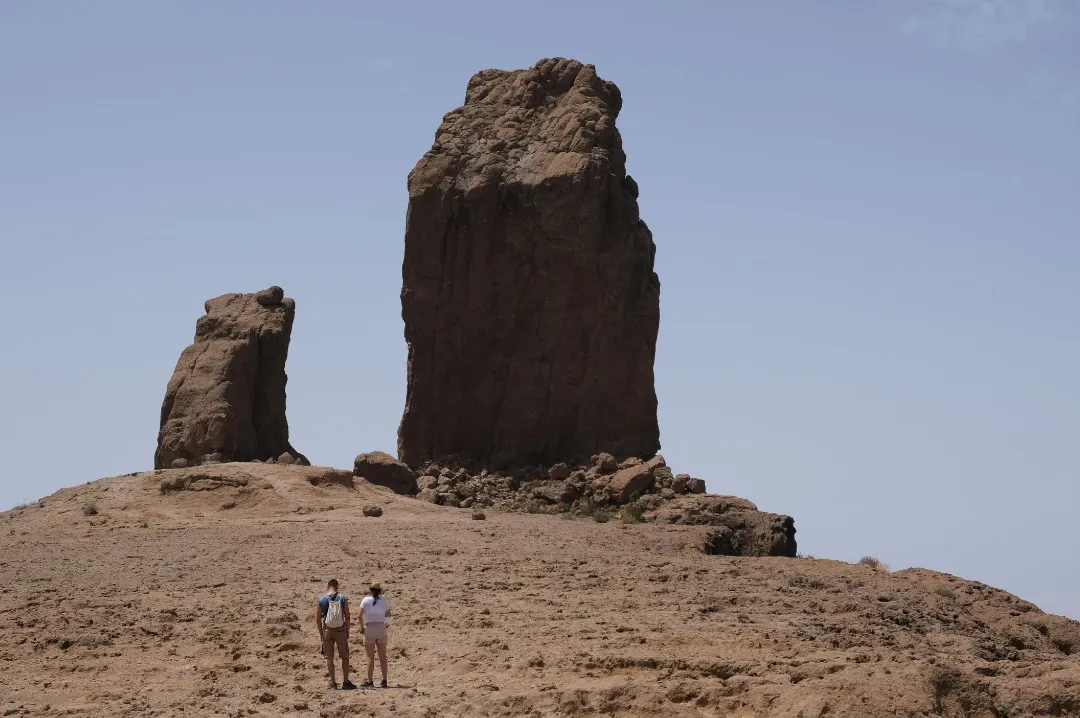
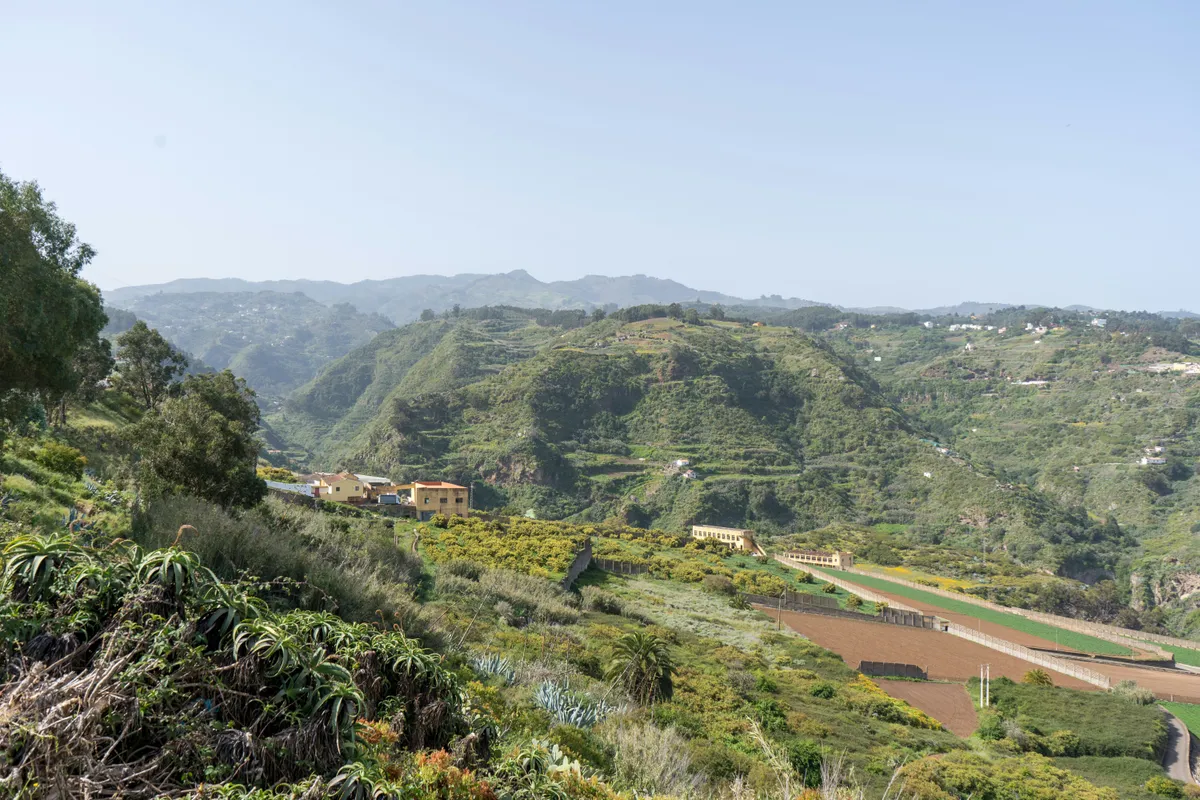
Beyond the beaches, Gran Canaria is full of villages with cobbled streets, cave houses, wooden balconies and quiet squares. Many are less than an hour from the coast and easy to combine in a single day out. Here’s our pick, grouped by area so you can plan your route.
In the north
Teror
One of the island’s most traditional towns. Its main street, lined with wooden balconies, leads to the Basilica of Our Lady of the Pine, Gran Canaria’s patron saint. Every September it hosts the Fiestas del Pino, the island’s biggest celebration. There’s a market on Sundays — the perfect chance to try chorizo de Teror, a soft, spreadable sausage.
On Google Maps: Basilica of Our Lady of the Pine, Teror (opens in a new tab)
Firgas
A small town known for its mineral water and the Paseo de Gran Canaria, a sloping street where a cascade of water runs down between benches tiled with the coats of arms of the island’s municipalities. Right next to it, the Paseo de Canarias has a tiled relief for each of the Canary Islands.
On Google Maps: Paseo de Gran Canaria, Firgas (opens in a new tab)
Gáldar and Santa María de Guía
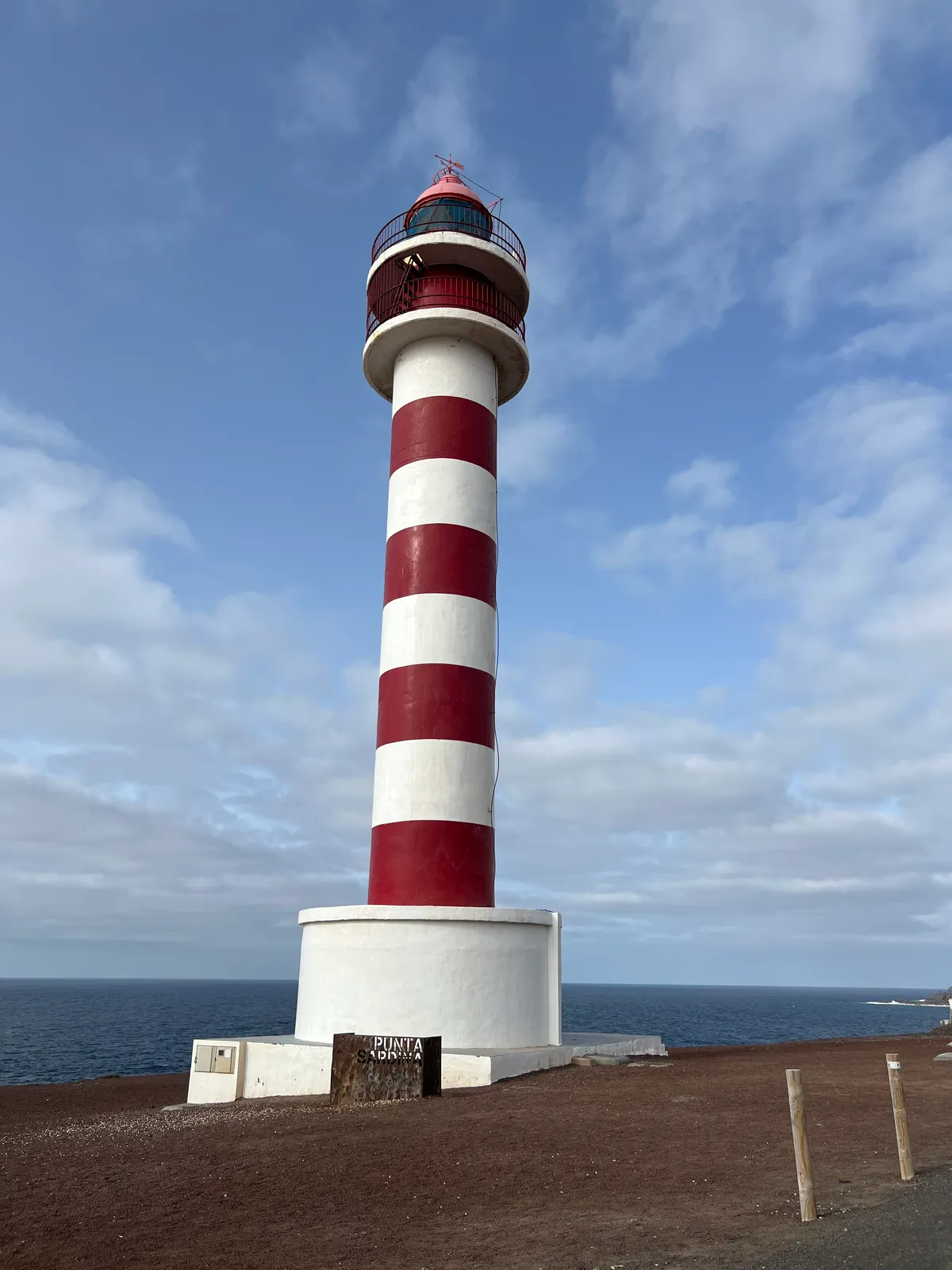
Two neighbouring towns steeped in history. Gáldar was the capital of the island’s indigenous people: its highlight is the Cueva Pintada Museum and Archaeological Park, and its main square is home to the Church of Santiago de los Caballeros. In Santa María de Guía, wander the old town and try queso de flor, the cheese made in the area. Nearby is the Cenobio de Valerón, a cluster of caves carved into the rock that the island’s first inhabitants used as a granary. On the Gáldar coast, next to the village of Sardina del Norte, the Punta Sardina lighthouse is a lovely spot to watch the sun set over the Atlantic.
On Google Maps: Cueva Pintada, Gáldar (opens in a new tab)Santa María de Guía old town (opens in a new tab)Cenobio de Valerón (opens in a new tab)Punta Sardina lighthouse (opens in a new tab)
Agaete
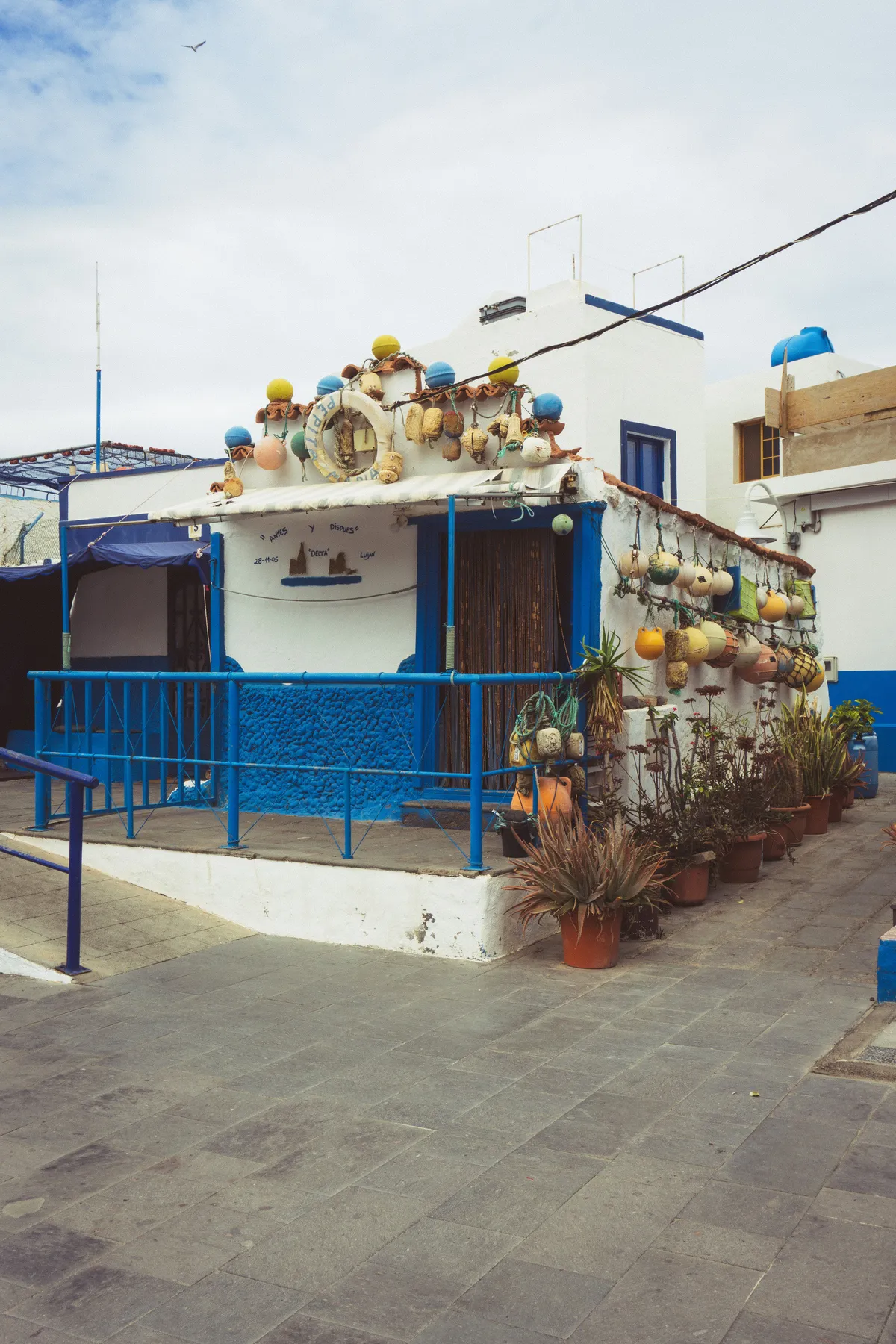
Whitewashed houses, a green valley and the sea. On the coast, Puerto de las Nieves is the place for a seafood lunch facing the cliffs of the west coast. Inland, the Agaete Valley is one of the few places in Europe where coffee is grown. In early August, the town celebrates the Bajada de la Rama, one of Gran Canaria’s most popular festivals.
On Google Maps: Agaete (opens in a new tab)Puerto de las Nieves (opens in a new tab)Agaete Valley (opens in a new tab)
In the mountains
Tejeda
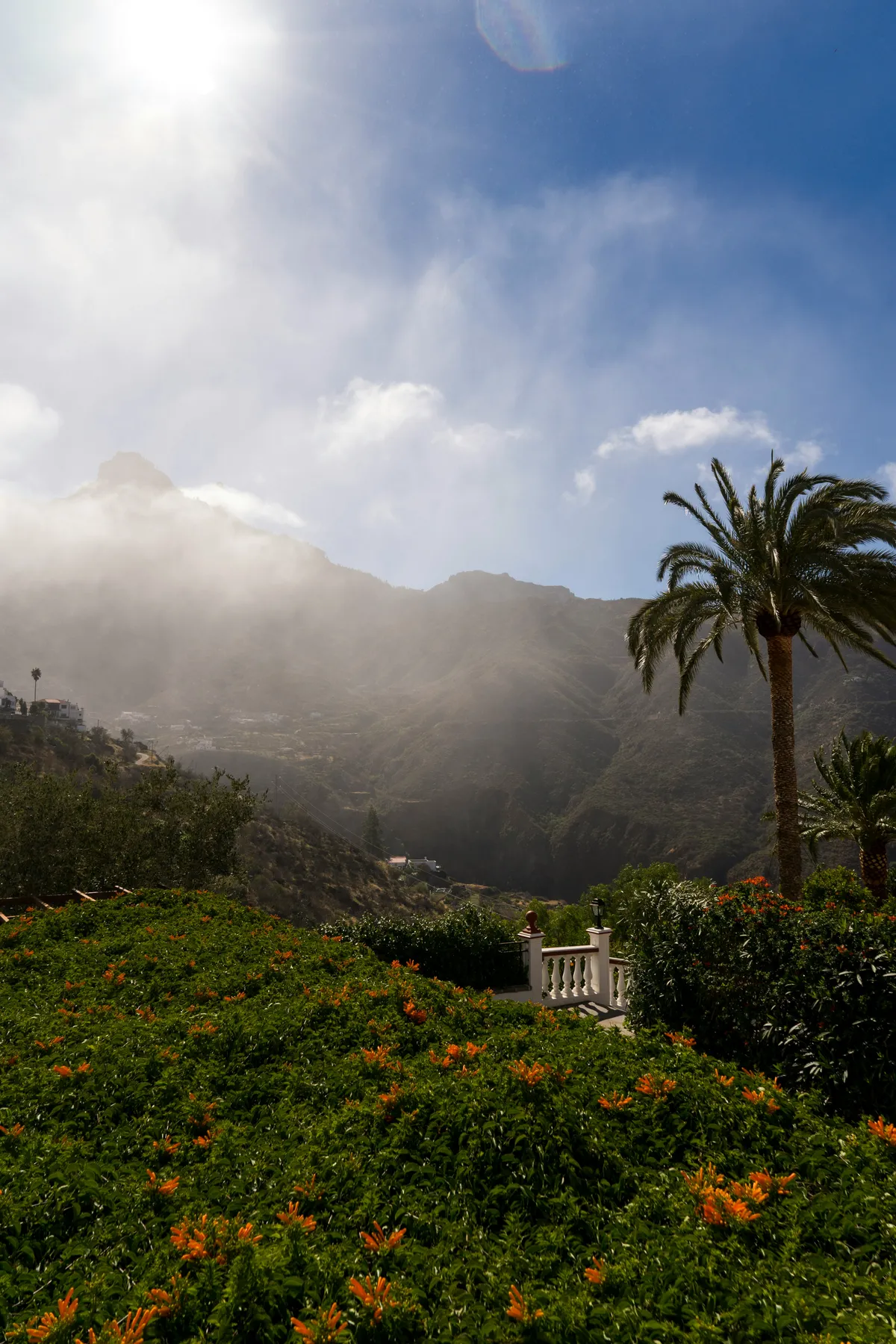
Perched above the great caldera at the heart of the island, with Roque Nublo and Roque Bentayga in view, Tejeda is a member of the Most Beautiful Villages in Spain association. It’s famous for its almond sweets, such as bienmesabe, and early in the year, when the almond trees blossom, the hillsides turn white and pink.
On Google Maps: Tejeda (opens in a new tab)Roque Bentayga (opens in a new tab)
Artenara
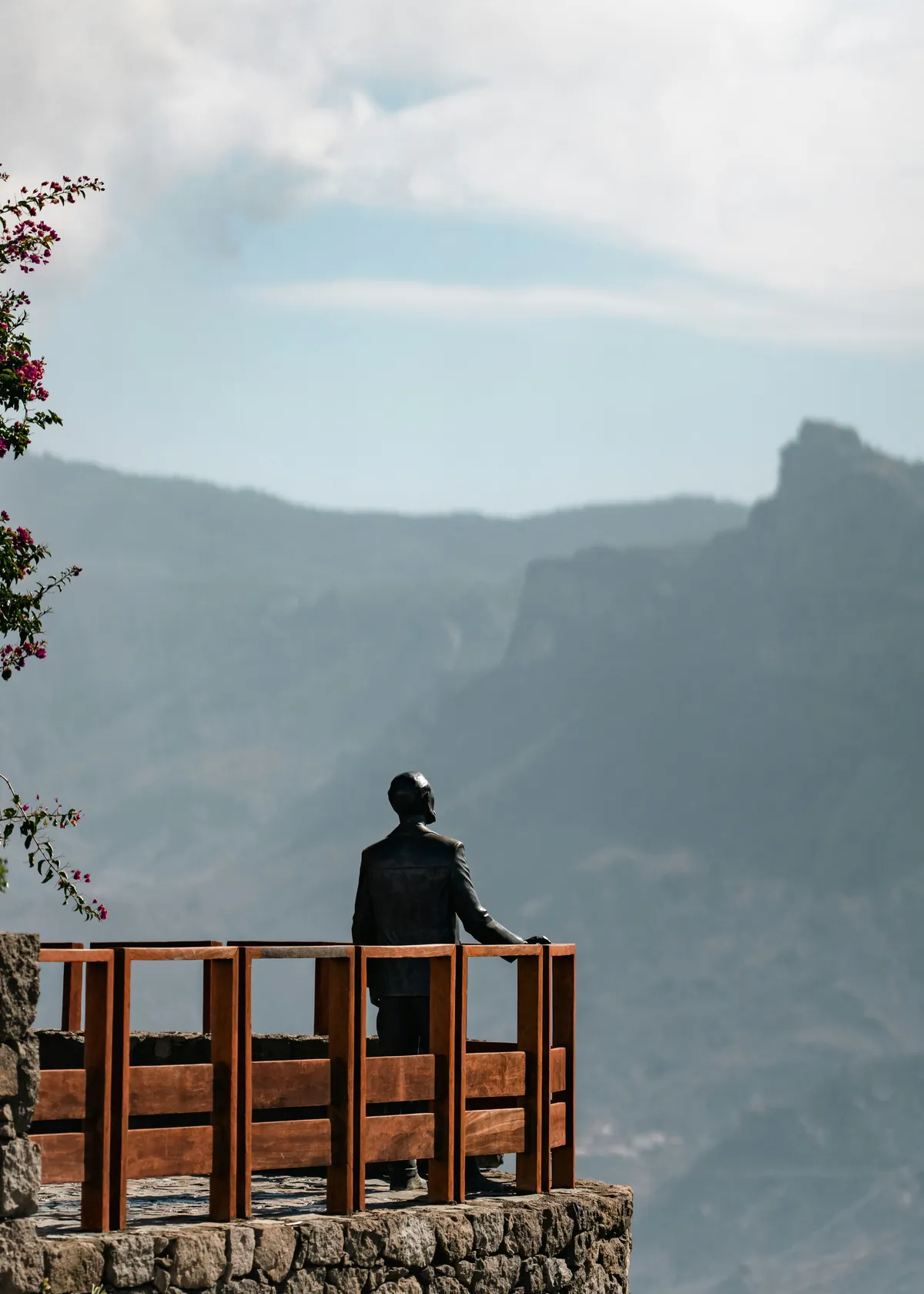
The highest village in Gran Canaria, and one of the most unusual: many of its homes, and even the chapel of the Virgen de la Cuevita, are carved into the rock. Its viewpoints look out over the Tejeda caldera with Roque Nublo beyond. The area is part of the Risco Caído and the Sacred Mountains of Gran Canaria cultural landscape, a UNESCO World Heritage Site.
On Google Maps: Ermita de la Virgen de la Cuevita, Artenara (opens in a new tab)Artenara (opens in a new tab)
Good to know: the mountain roads are very winding, and parking is hard to find around midday at weekends. Set off early and allow plenty of time.
In the east and south
Agüimes
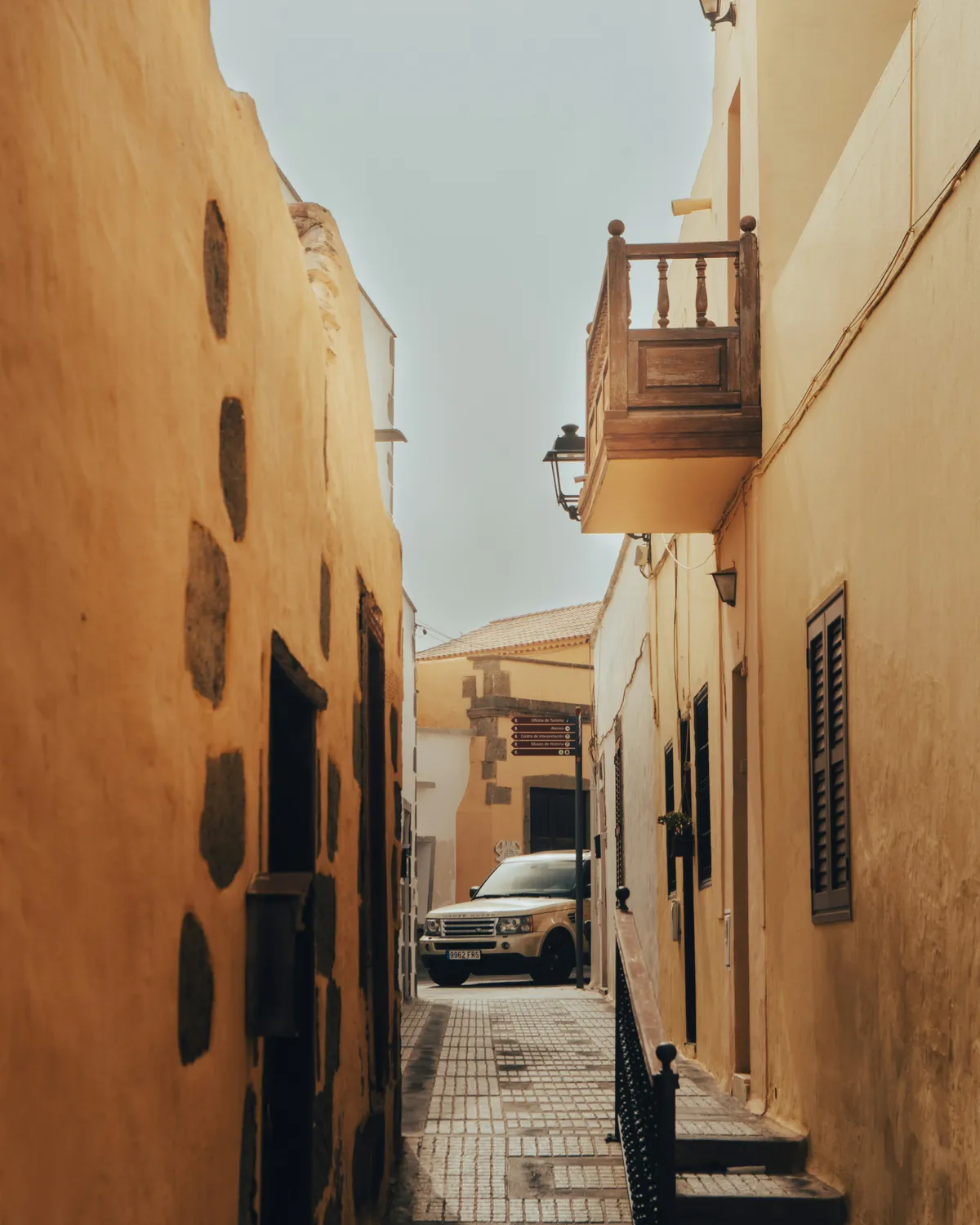
Its old town of narrow streets and colourful houses is one of the best preserved on the island. The Church of San Sebastián stands on the main square, and around town you’ll find sculptures celebrating local crafts and traditions. Nearby is the start of the Guayadeque ravine, with cave houses and restaurants carved into the rock.
On Google Maps: Agüimes old town (opens in a new tab)Guayadeque ravine (opens in a new tab)
Fataga
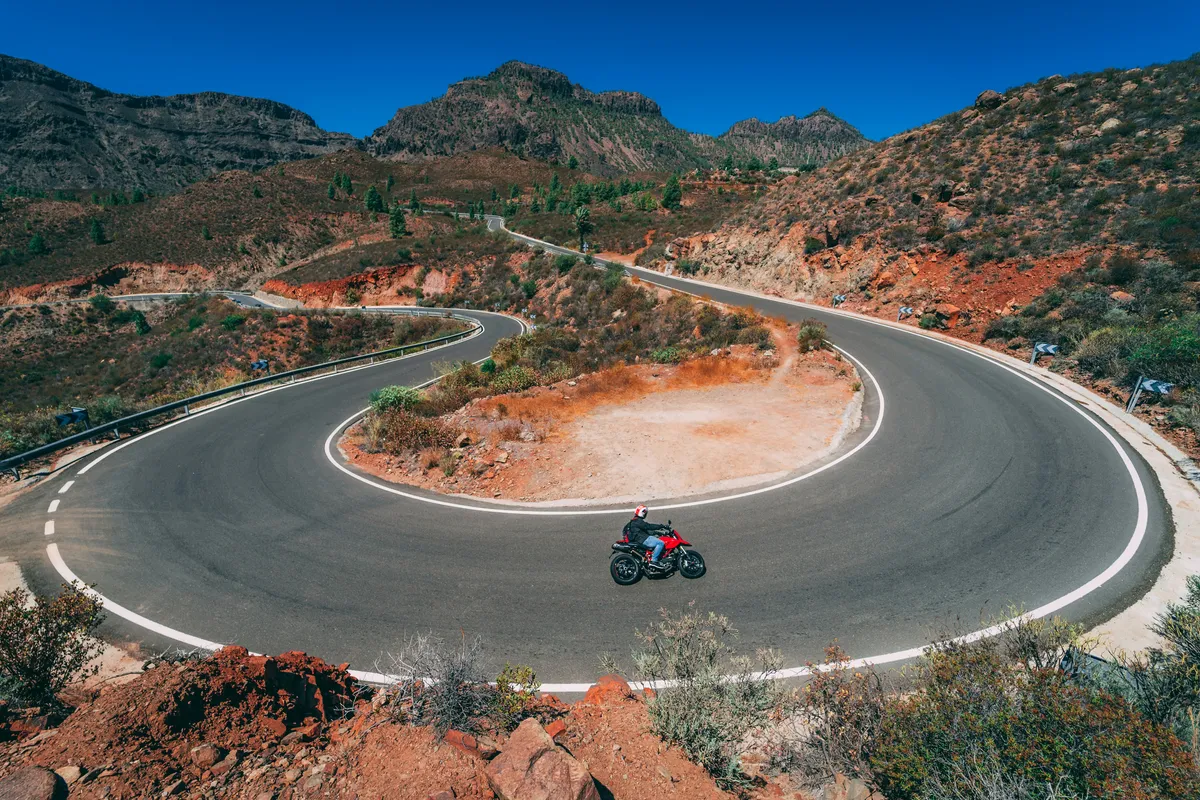
A small village of whitewashed houses in the Fataga ravine, known as the “valley of a thousand palms”. It sits on the road that climbs from Maspalomas into the interior, making it an ideal stop if you’re staying in the south and want to see another side of the island.
On Google Maps: Fataga (opens in a new tab)
Puerto de Mogán
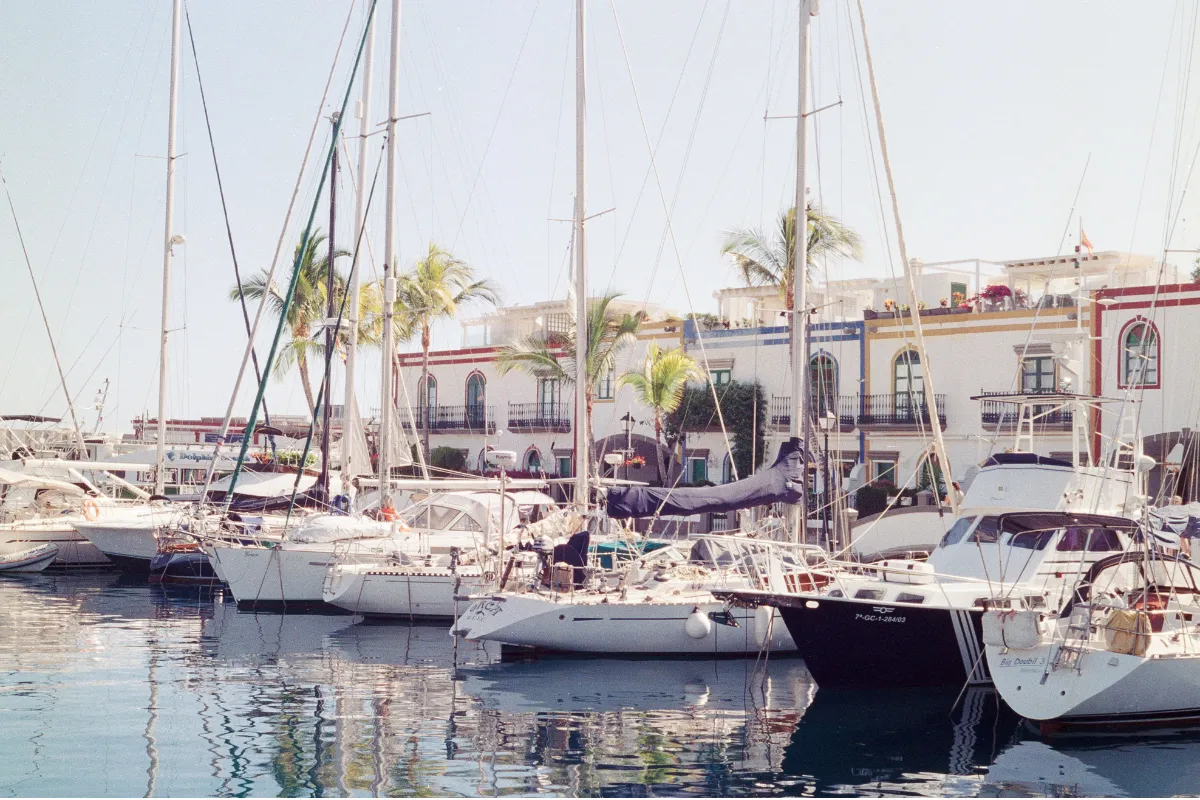
Canals, little bridges, whitewashed houses trimmed in bright colours and bougainvillea — there’s a reason it’s nicknamed “the Little Venice of the Canaries”. It’s the most charming village on the south coast and a lovely way to end the day, strolling along the quay at sunset.
On Google Maps: Puerto de Mogán (opens in a new tab)
Planning your visit
- By car: the best way to explore the villages of the interior and the north. Group them by area: Teror, Firgas, Gáldar, Guía and Agaete in one day; Tejeda and Artenara in another; and Agüimes, Fataga and Puerto de Mogán from the south.
- Without a car: local buses (guaguas) reach most of these villages, but services to the mountains are more limited. Check timetables before you set off.
- Short on time? Our Gran Canaria in 3 days itinerary already includes Teror, Tejeda, Artenara, Gáldar, Agaete and Puerto de Mogán.
Tip: many of these villages come alive for their patron saint festivals or market days. If your visit coincides with one, it’s worth it; if you prefer peace and quiet, go on a weekday.