
Food & drink · Gran Canaria
What to eat in Gran Canaria
Gran Canaria’s must-try food and drink: wrinkly potatoes with mojo, gofio, flor de Guía cheese, sancocho, bienmesabe, local rum and where to try them.
Published
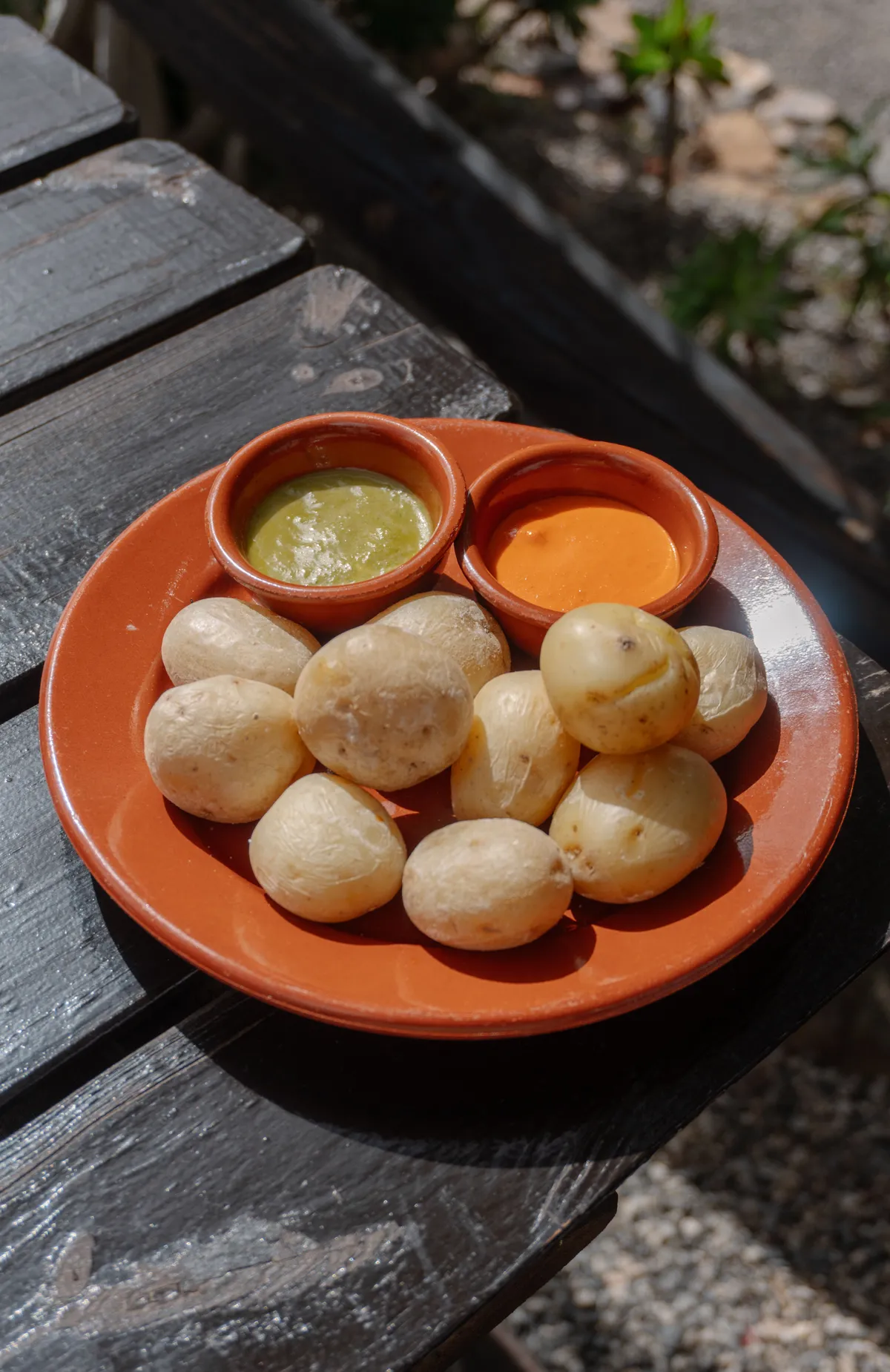
Gran Canaria’s food is simple and rooted in the land and the sea: potatoes, gofio, fresh fish, island cheeses and almond sweets. This guide covers what you shouldn’t leave without trying — and where to find it.
The essentials
Papas arrugadas with mojo
The Canary Islands’ best-known dish. Small potatoes are boiled in their skins in very salty water until they wrinkle and pick up a fine white crust. They come with mojo, a sauce served two ways: mojo rojo (or picón), made with red peppers and a little heat, and mojo verde, made with coriander or parsley, which is milder. Eat them as a starter or alongside meat and fish.
Gofio
Gofio is a flour made from toasted grains (wheat, maize or a mix), and it has been part of the Canarian diet since the days of the island’s indigenous people. You’ll find it in many forms: in escaldón, stirred into fish or meat broth; kneaded into a dough (pella) to go with sancocho; and in desserts such as gofio mousse.
Flor de Guía cheese
The island’s most famous cheese is made in the north, around Santa María de Guía, Gáldar and Moya. What makes it special is that the milk is curdled with thistle flowers, giving it an intense flavour and a creamy texture. It has protected designation of origin status, and you’ll see it on cheese boards and tapas menus all over the island.
Stews and seafood
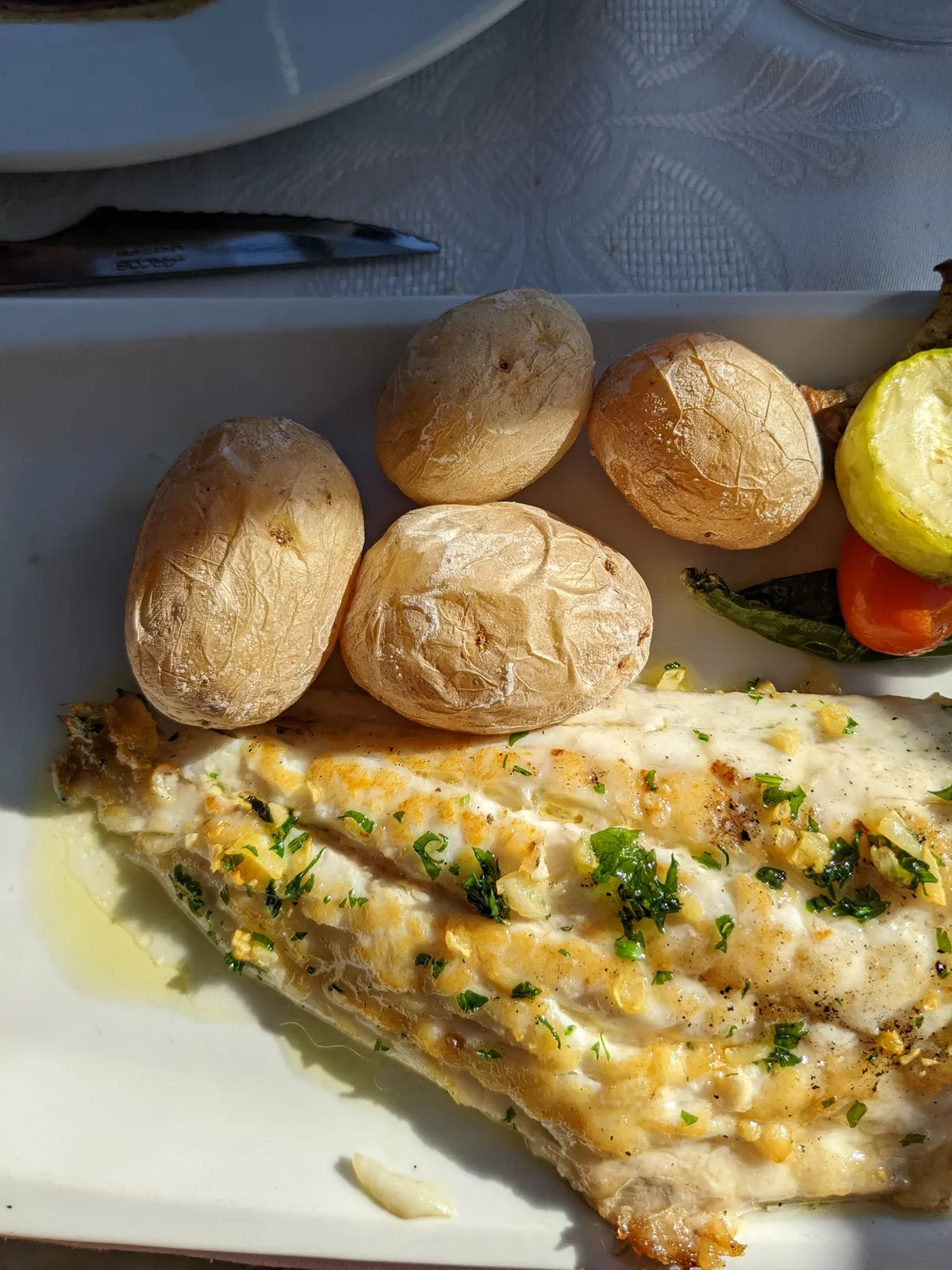
- Sancocho canario: salted fish (usually wreckfish) with potatoes, sweet potato, mojo and gofio. A very traditional dish, especially on special occasions.
- Ropa vieja: chickpeas with shredded meat, potatoes and spices.
- Potaje de berros: a thick watercress soup with vegetables and sweetcorn, often served with a piece of cheese.
- Puchero canario: a hearty stew of meats, vegetables, potatoes, sweet potato and corn.
- Goat and rabbit in salmorejo sauce: two classics of the island’s inland cooking.
- Fresh fish: look for vieja (parrotfish), cherne or sama, grilled or boiled. Order it in coastal villages such as Puerto de las Nieves (Agaete) or Puerto de Mogán.
- Lapas: grilled limpets with mojo verde, a staple of seaside restaurants.
Sweets
- Bienmesabe: a cream of almonds, sugar and egg yolk — a speciality of Tejeda, which is also known for marzipan and other almond sweets.
- Frangollo: a pudding made with maize flour, milk, lemon, raisins and almonds.
- Truchas: fried sweet pasties filled with sweet potato or candied squash, traditionally eaten at Christmas.
What to drink
- Rum: Arucas is home to Arehucas rum, and ronmiel — rum with honey — is often offered at the end of a meal.
- Wine: Gran Canaria has its own designation of origin and small wineries, mainly in the interior and the north.
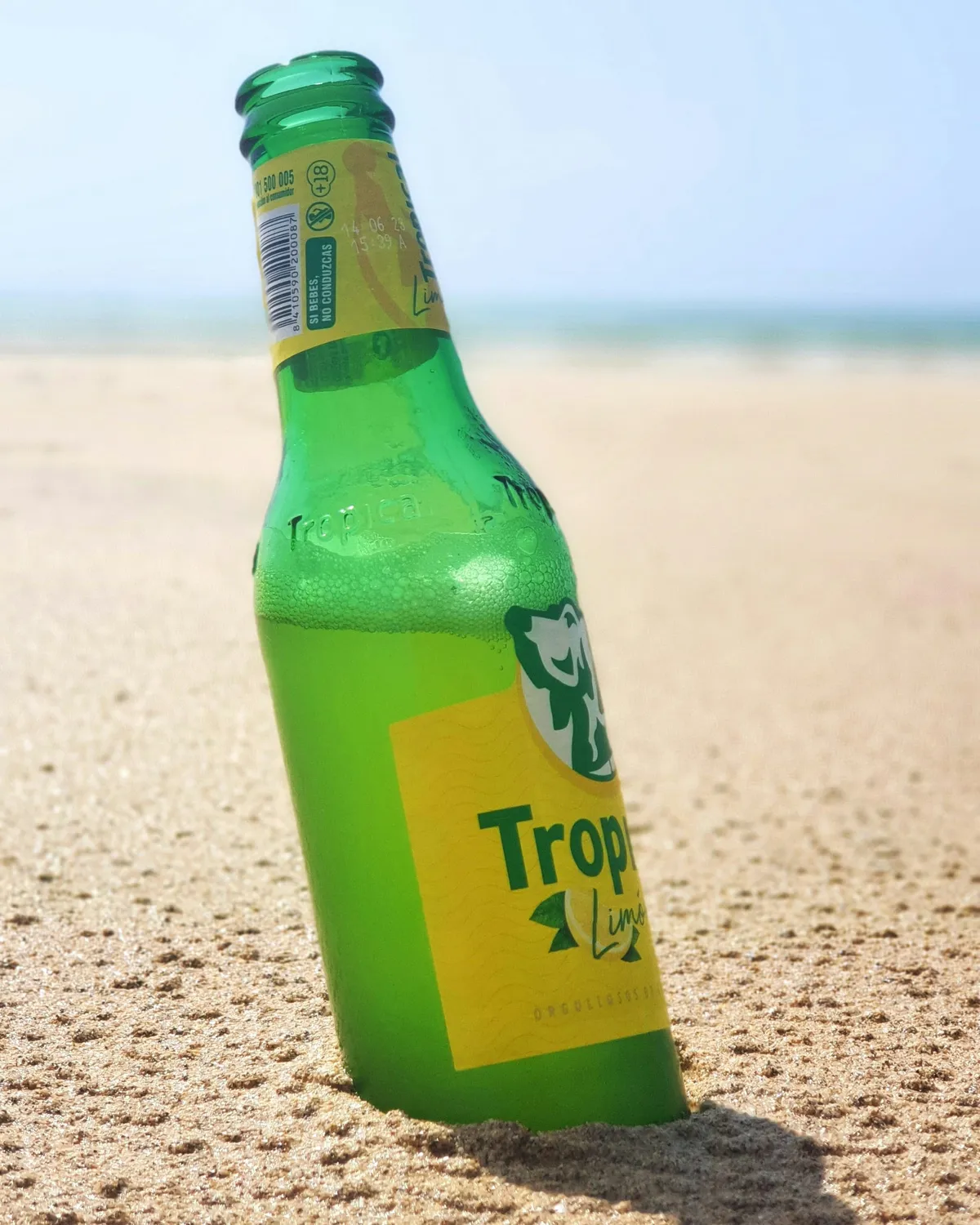
- Agaete coffee: the Agaete Valley is one of the few places in Europe where coffee is grown.
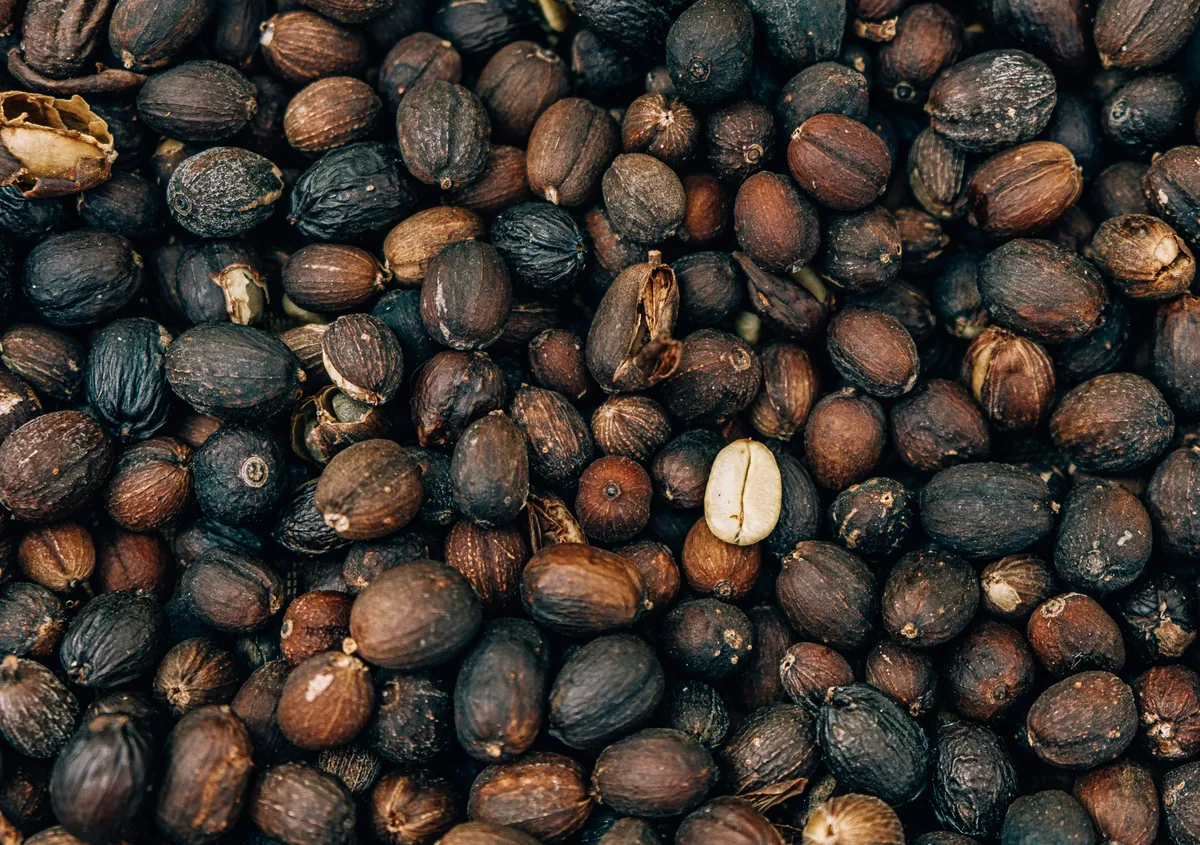
- Tropical beer: brewed in Gran Canaria and found in almost every bar.
Island fruit
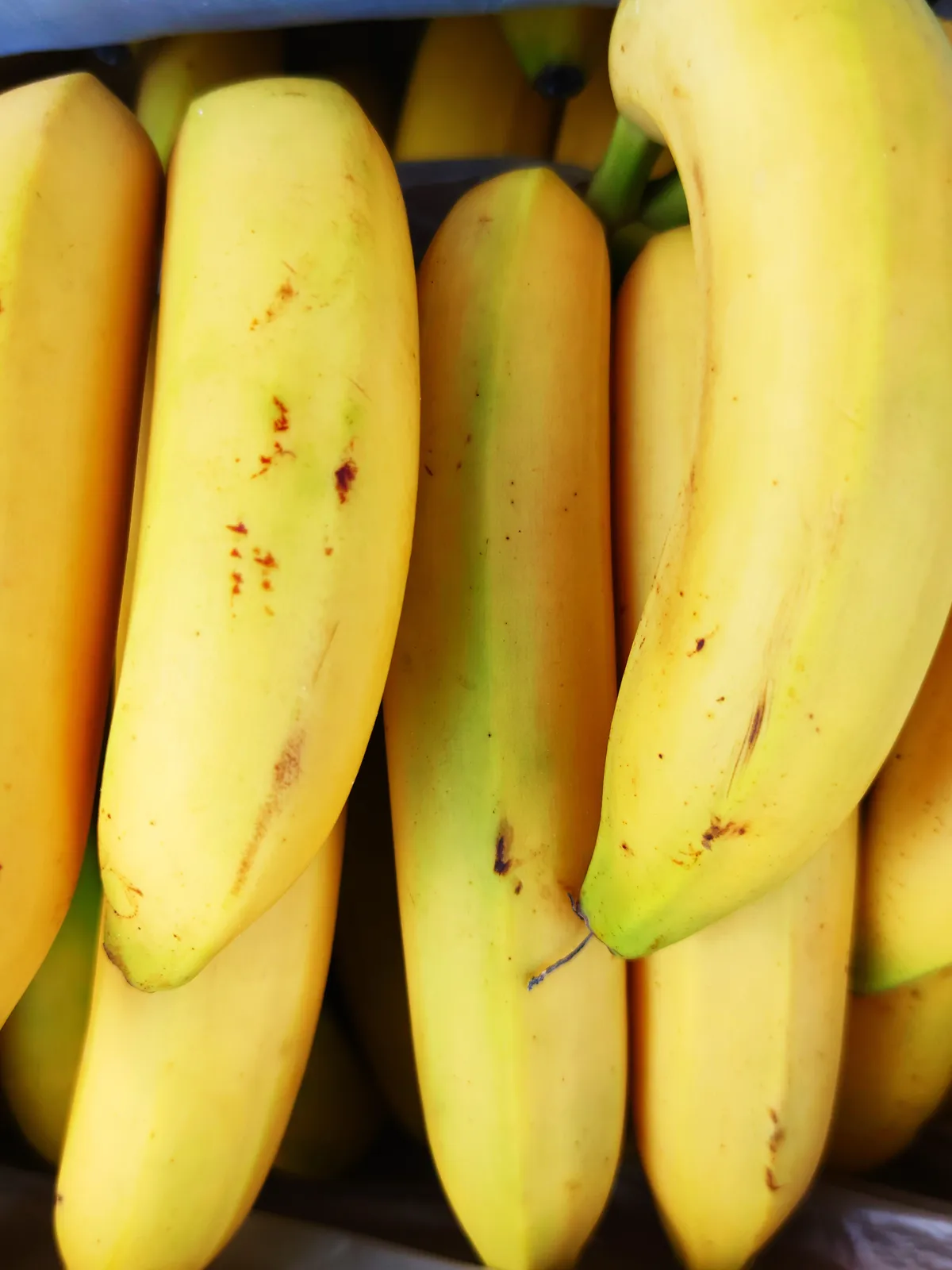
Canary Island bananas are grown on plantations in the north, between Arucas and Gáldar; they’re smaller and sweeter than most. Depending on the season, markets and greengrocers also sell local papaya, mango and avocado.
Where to try it all
- Las Palmas markets: Vegueta Market and the Mercado del Puerto, which has food stalls for grazing.
- Teror: its Sunday market sells local produce such as chorizo de Teror, a soft, spreadable sausage.
- Tejeda: for almond sweets and bienmesabe.
- Puerto de las Nieves and Puerto de Mogán: for fish by the sea.
- Canarian restaurants: all over the island — look out for dishes of the day and seasonal produce.
On Google Maps: Vegueta Market (opens in a new tab)Mercado del Puerto (opens in a new tab)Teror (opens in a new tab)Tejeda (opens in a new tab)Puerto de las Nieves (opens in a new tab)Puerto de Mogán (opens in a new tab)
Tip: many restaurants serve papas arrugadas and mojo as a starter. If they’re not on the menu, just ask — they almost always have them.